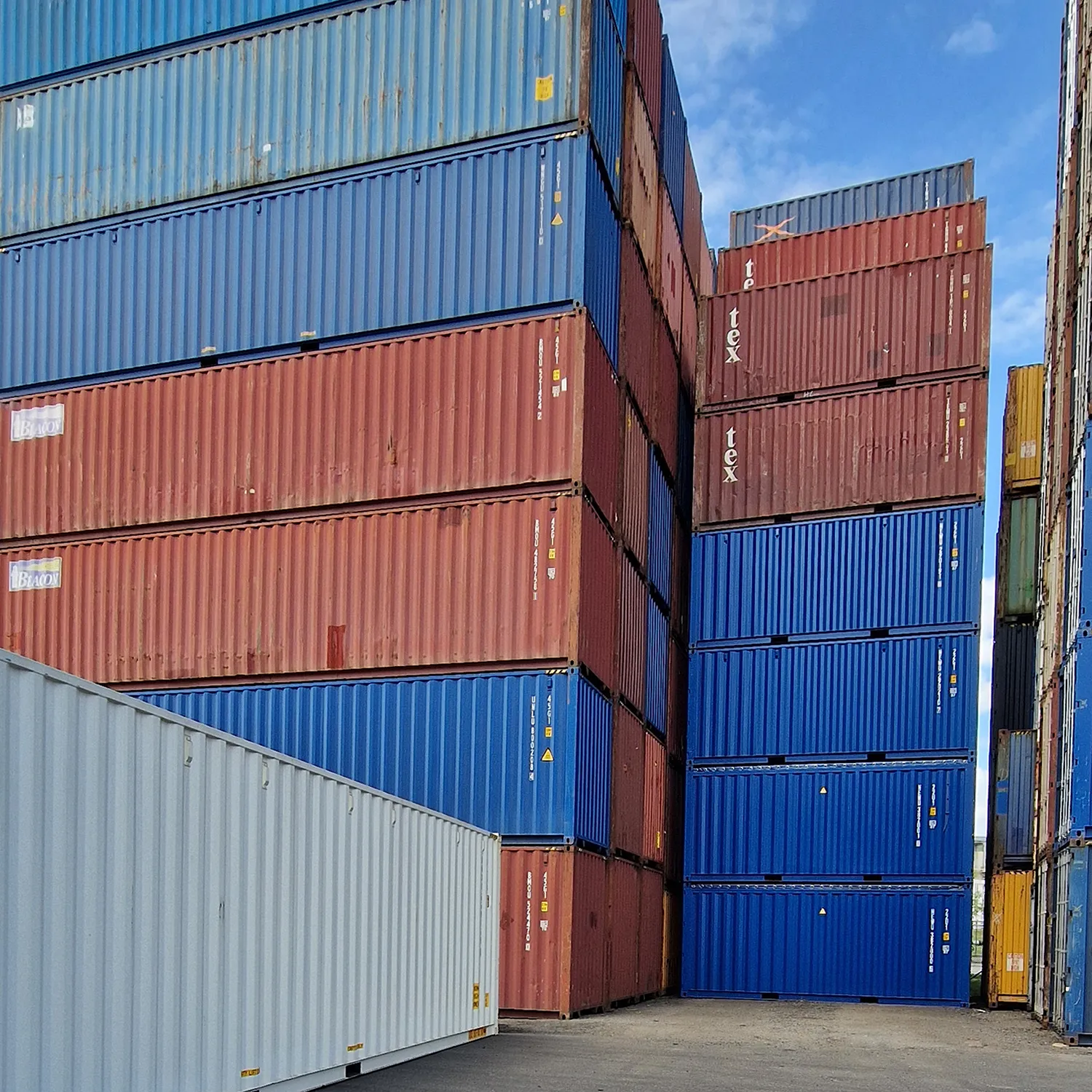
Is rust on a container just a cosmetic blemish, or does it already threaten the structural integrity? In this guide, you will learn how to distinguish harmless surface rust from critical structural damage and what exactly to look for during an inspection.
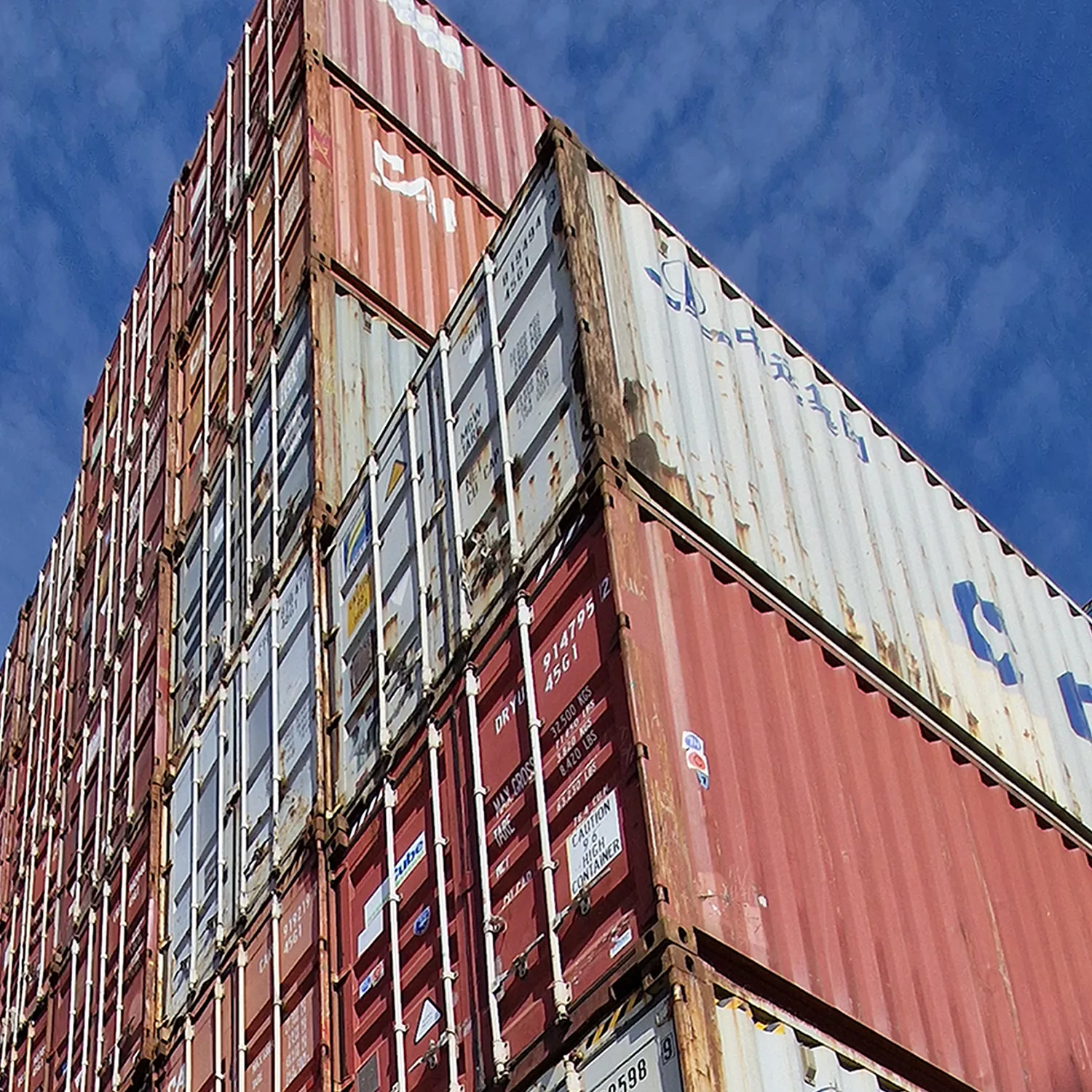
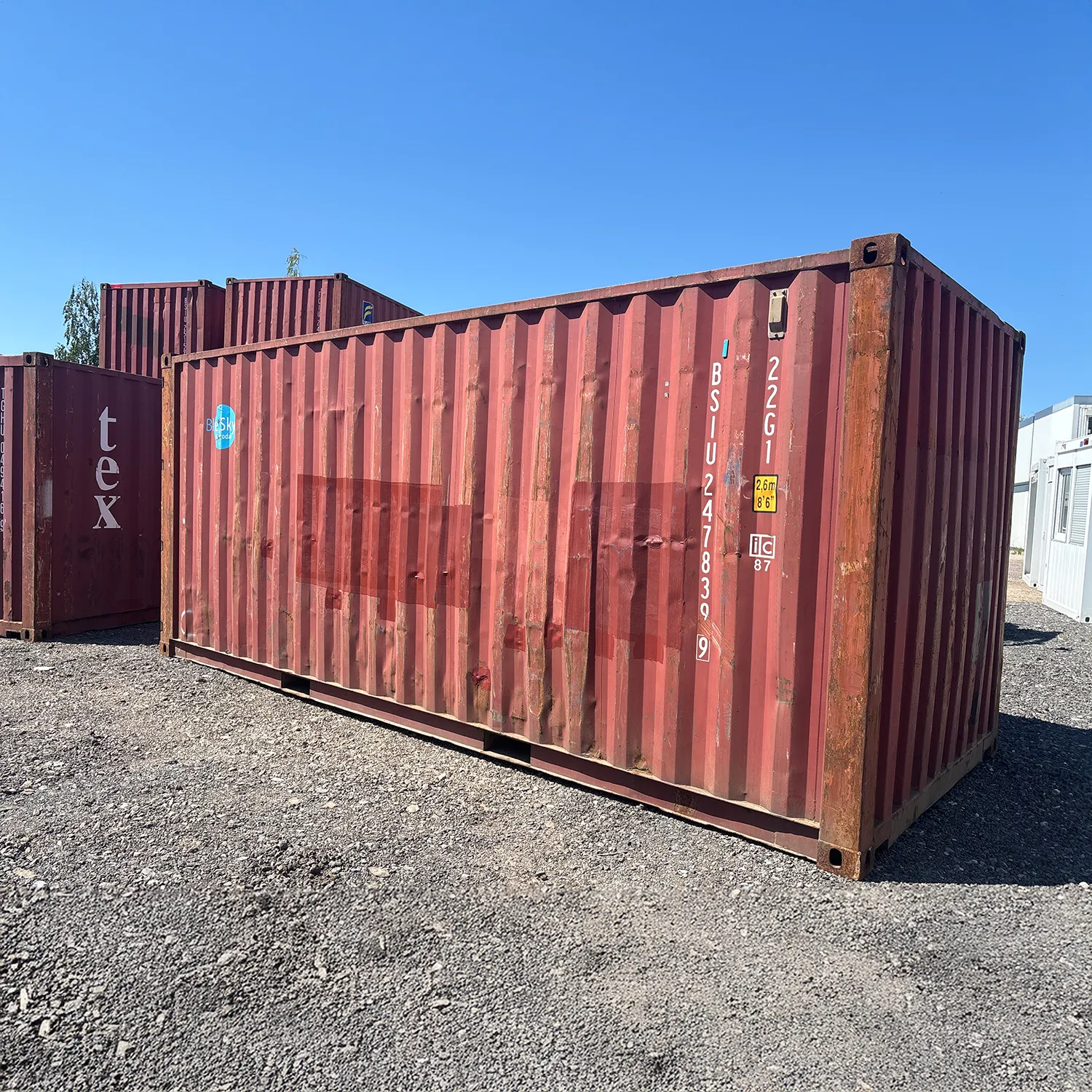
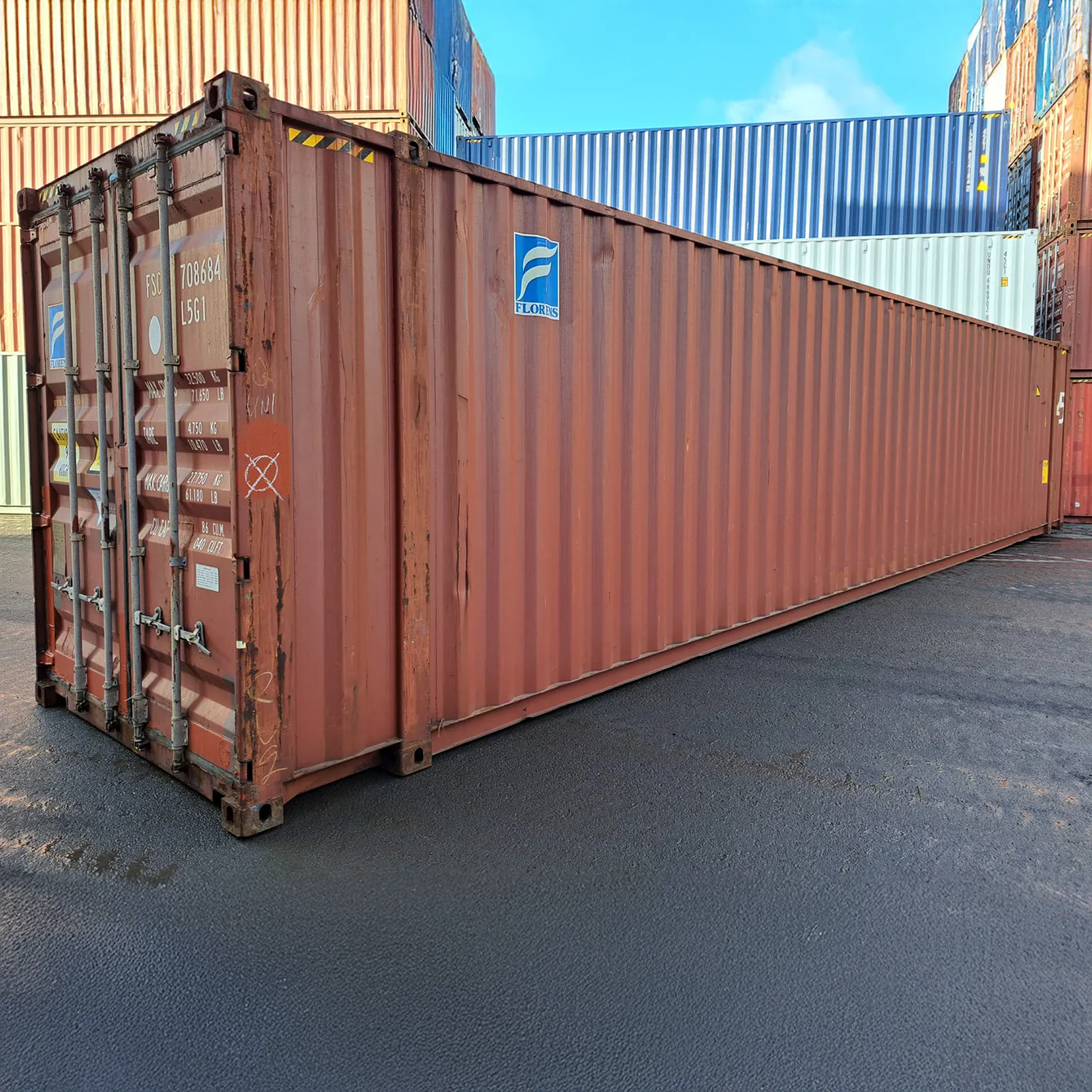
Rust on a container is not automatically a cause for concern. Many shipping containers, storage containers, and material containers are kept outdoors permanently and are exposed to moisture, temperature fluctuations, mechanical stress, and the elements. Minor traces of rust can therefore be considered normal signs of wear.
It is important to make the right assessment: Is it just surface rust, or is the structure already affected?


Containers are generally made of robust steel. Many classic shipping containers are manufactured from weather-resistant Corten steel. While this steel is more durable than standard structural steel, it is not stainless.
Rust forms when steel reacts with moisture and oxygen over an extended period. This process is accelerated by certain factors:
A container is not at risk simply because it is kept outdoors. It becomes a problem when moisture remains in one spot permanently or the anti-corrosion coating is damaged.
I've been working with the company for many years now. There is a great team on site who are uncomplicated and easy to deal with. Solutions have always been found up to now.
That depends on the location and the extent.
Usually uncritical:
Rust can become critical at:
Rust is not uncommon, especially with used containers. The deciding factor is whether the container remains watertight, stable, and functional. For storage purposes, a wind- and watertight condition is often sufficient. Higher requirements apply for transport, stacking, custom builds, or technical use.
Rust rarely occurs by chance. It usually develops where water pools, paint has been damaged, or components are under heavy stress.
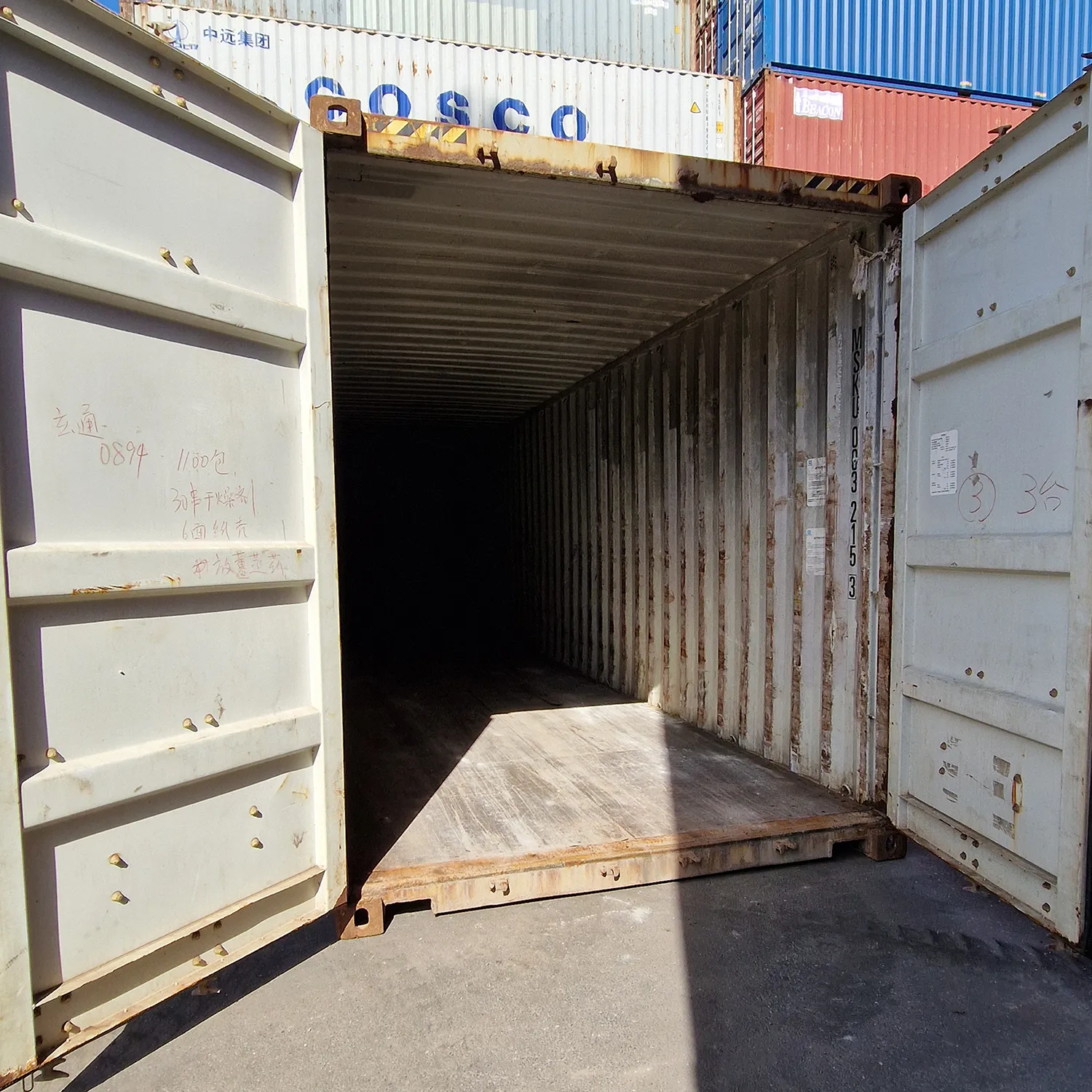
The doors are among the most heavily used areas. Opening and closing them creates movement, pressure points, and small paint chips. Furthermore, moisture often collects here.
Pay special attention to: rust on hinges, stiff locking mechanisms, damaged door seals, rust on the lower door frame, and brown streaks below the doors. If the doors no longer close properly, rust can also impair the container's airtightness.
The roof is constantly exposed to rain, snow, UV radiation, and temperature fluctuations. Small dents can cause water to pool—this is exactly where rust spots often develop. Typical signs: rust on roof seams, paint blisters, water accumulation, brown streaks on the side walls, and damp spots inside.
The underframe is often difficult to see but is particularly important. It supports the container and is exposed to moisture from below—due to ground contact, spray, road salt, lack of air circulation, or standing water. A container should therefore not be placed directly on damp ground for long periods if possible. A stable, level, and well-drained surface is better.
The corners of a container are particularly relevant for transport, handling, and stacking. High forces act here, such as during lifting or setting down. Rust on the corner castings should therefore always be taken seriously. Surface rust is not automatically critical, but deep material loss or deformation must be professionally inspected.
With custom builds, technical containers, or subsequent modifications, new openings, cut edges, and weld seams are created. If these are not properly sealed, they are particularly susceptible to rust—for example, at window and door cutouts, ventilation openings, cable entries, or attachments. Corrosion protection for custom projects should therefore not be checked only after production, but should be part of the planning from the very beginning.

With refrigerated containers, it is not just about steel surfaces. There is also the technology, electrical connections, drain lines, evaporators, condenser areas, and seals to consider.
Typical risk areas: condensation drain lines, electrical contacts, unit frames, door seals, evaporator and condenser areas, aluminum components, and the interior floor area.
For refrigerated containers, rust should be assessed with particular care, as moisture can affect not only the shell but also the cooling function. Important: Work on cooling technology, electrical connections, or refrigerant circuits should not be performed yourself. Professional service is required here.
You do not need any special equipment for an initial inspection. A visual check is often sufficient.
Exterior inspection: roof surfaces and edges, upper and lower side profiles, doors, hinges and locking mechanisms, corner castings and corner posts, underframe, visible paint damage, rust streaks on the side walls, and dents where water can pool.
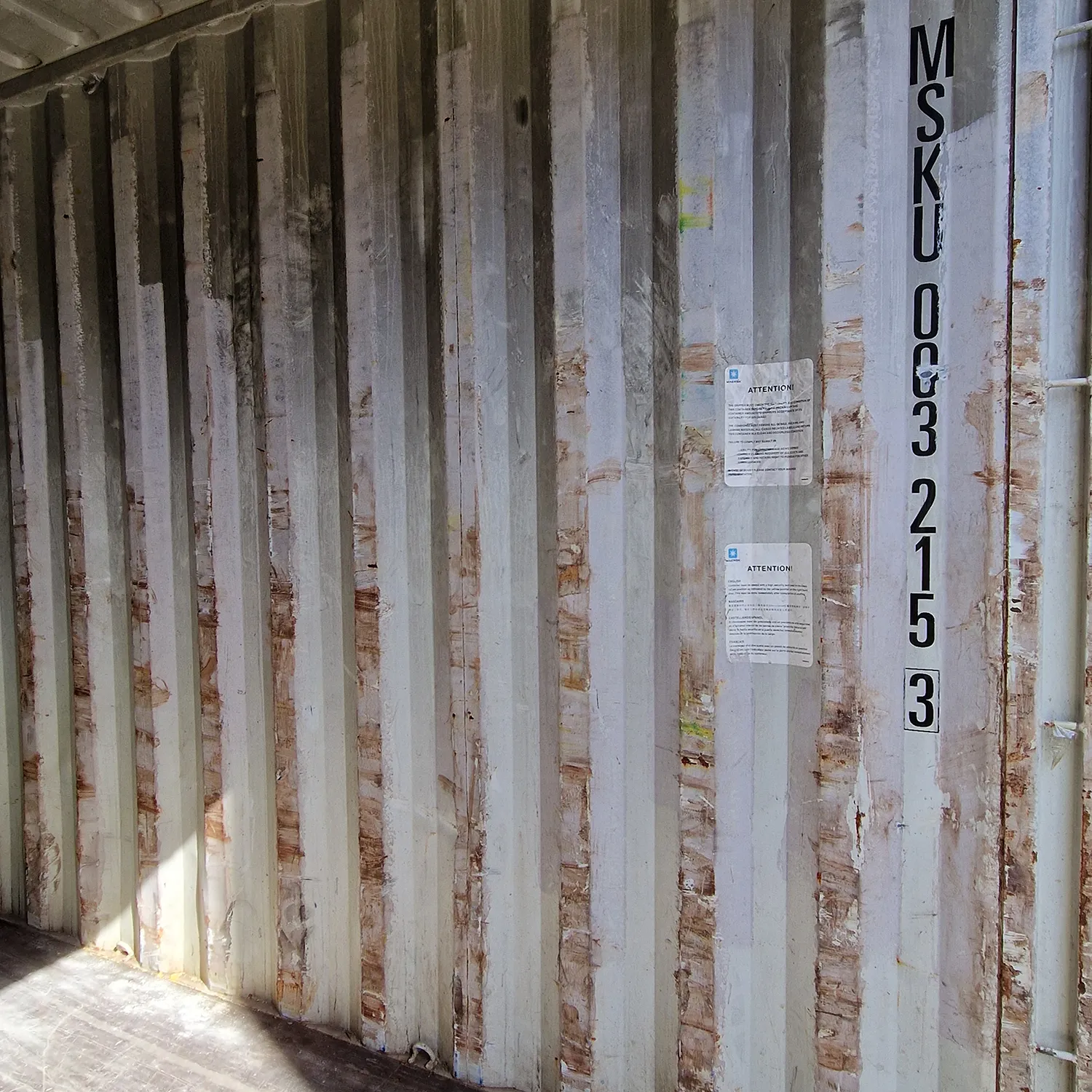
Interior inspection: damp spots on the ceiling or walls, internal rust, condensation, musty odors, damaged flooring, signs of mold or moisture on stored goods, and light penetration when the doors are closed.
Practical test: Step inside the closed container during daylight. If you see pinpricks of light, this may indicate holes, leaks, or damaged seals.
Door and seal test: Do the doors close properly? Do the locking bars engage correctly? Are the rubber seals soft and intact? Is there any rust at the bottom of the doors? Do the hinges move smoothly?
1. Position the container correctly: Ensure a level, stable surface, ground clearance, good air circulation, no permanent waterlogging, no soil or plants directly against the container wall, and a slight tilt for drainage.
2. Repair paint damage early: Small scratches are often the start of larger rust spots. Treat minor damage early before rust spreads beneath the coating.
3. Keep the interior dry: Store dry goods, do not place wet pallets or equipment inside, ensure ventilation, check for moisture regularly, and use desiccants for sensitive goods.
4. Remove salt and dirt: Clean regularly after use near the coast, in winter, or on construction sites – especially the subframe, door areas, corners, edges, hinges, and locking mechanisms.
5. Check regularly
Small, superficial rust spots can often be treated yourself:

A specialist company should be consulted if:
Especially for containers that are sold, rented, transported, or technically modified, rust should not just be treated cosmetically. The decisive factor is whether the container remains permanently safe, watertight, and functional.
For custom-built containers, rust protection is particularly important. Modifications create new interfaces, edges, openings, and material combinations—exactly where corrosion can develop later on.
During the planning phase, the following should be clarified early on: Where will cutouts be made? How will cut edges be sealed? Which coating is suitable for the location? Is there standing water on the roof or attachments? Will maintenance points be accessible later? Are different metals being combined? Will the container be kept outdoors permanently?

Repair is often worthwhile if: the rust is localized, the structure is intact, the container is otherwise watertight and stable, it is intended for long-term continued use, it is a custom-built or technical container, or replacement would be more expensive than restoration.
Replacement may be advisable if: multiple load-bearing areas are affected, there is extensive rusting through, the doors, subframe, and roof are damaged simultaneously, repair costs exceed the residual value, or the container is no longer suitable for its intended new purpose.

Does every container eventually rust?
Yes, in principle, any steel container can rust if protective layers are damaged or if it is permanently exposed to moisture. A high-quality coating, the right location, and regular maintenance significantly delay this process.
Is Corten steel rust-proof?
No. Corten steel is more weather-resistant than standard structural steel, but it is not rustproof. It can form a protective patina under certain conditions, but it can still corrode if exposed to persistent moisture, salt, or if the coating is damaged.
Is rust on a shipping container normal?
With used shipping containers, slight traces of rust are normal. It becomes critical when rust penetrates deep into the material, compromises the seal, or affects load-bearing components.
Can I remove rust from the container myself?
You can usually treat small, superficial rust spots yourself. For rust-through, load-bearing parts, subframes, corner castings, cooling technology, or electrical systems, a specialist company should inspect it.
How do I recognize rust-through?
Typical signs include holes, soft or brittle areas, severe pitting, pinpricks of light inside, water ingress, or flaking coating with deep material loss.
How often should I inspect my container?
For normal private use, two to three visual inspections per year are usually sufficient. Commercially used containers, construction site containers, reefers, and custom builds should be inspected more frequently.
What helps against condensation in a container?
Important factors include dry storage, adequate ventilation, a suitable location, ground clearance, and, for sensitive goods, the use of desiccants or additional ventilation.
When is a professional repair worthwhile?
A professional repair is worthwhile if the container is intended for long-term use, the structure is fundamentally sound, or it is a high-value container, reefer, or custom build.
Can rust affect structural integrity?
Yes, if load-bearing components are affected – for example, corner posts, corner castings, subframes, cross members, and load-bearing profiles. Such damage should not just be treated cosmetically.
What is better: buying or renting a container when rust is a concern?For long-term use, buying can make sense if the condition and corrosion protection are suitable. For time-limited projects or technical applications, renting can be advantageous because maintenance and condition are easier to plan.
Rust on a container is not automatically critical. The deciding factors are where the rust is located, how deep it goes, and what the container is being used for.
Minor rust spots are often easy to treat. It becomes critical when dealing with rust-through, load-bearing parts, doors, subframes, corners, and technical components. Regular inspections, early repair of small damage, and proper container placement significantly extend the service life.
When planning a shipping container, storage container, reefer container, office container, or custom build, rust protection should be considered right from the selection, location, and equipment stage. m³ supports you with the right container solution – from standard containers to individual custom builds.
Whether it's a warehouse, a technical room or a project container — we provide the right solution for your project. Inquire about insulated containers now and start planning right away.